
Wangal Djungay: Always Was, Always Will Be
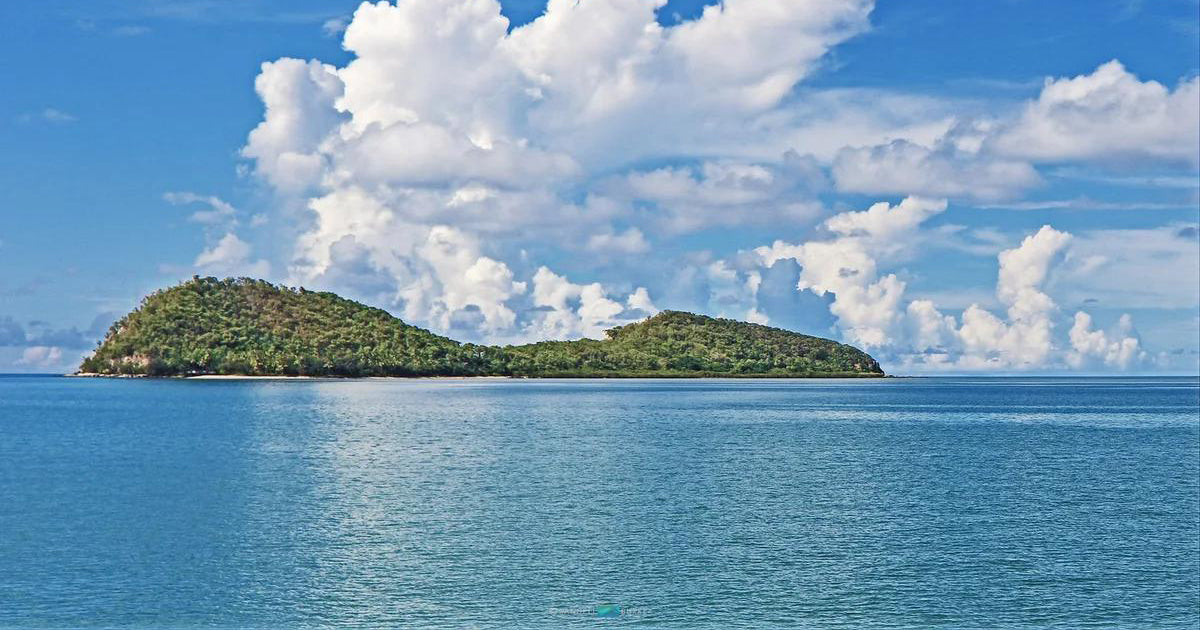
Double Island off Palm Cove is known to the Yirrganydji people as Wangal Djungay - a place of deep cultural, spiritual and historical significance.
Double Island is often admired as a picturesque tropical island just off Palm Cove, north of Cairns. But long before it became known for tourism, resort development or postcard views, it was - and remains - part of Yirrganydji Country.
To the Yirrganydji people, also spelt Yirrgandji or Irukandji, this island is not simply a scenic landmark. It is Wangal Djungay: a place embedded in Storytime, Saltwater culture, ancestral presence and the continuing responsibility to care for Country.
This is the deeper meaning of Always Was, Always Will Be.
A sacred place in Yirrganydji Country
The Yirrganydji are the Traditional Custodians of the narrow coastal strip from Cairns north towards the Mowbray River near Port Douglas. They are Saltwater People, with culture, identity and daily life shaped by beaches, reefs, rivers, mangroves, islands and sea Country.
Within this living cultural landscape, Wangal Djungay holds a special place.
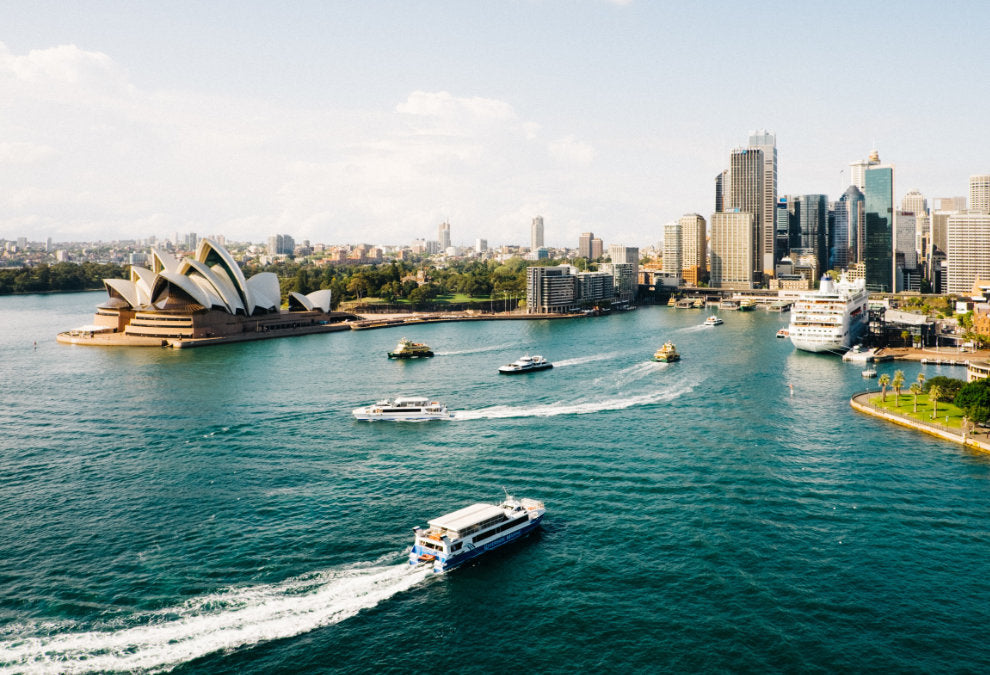
Double Island sits just offshore from Palm Cove, surrounded by reef, seagrass beds, turquoise waters and the coastal rainforest landscapes that have sustained Yirrganydji families for thousands of years.
A place in the Dreaming
In Yirrganydji Dreaming, the Rainbow Serpent, known as Gudjugudju, shaped the landscape. After creating rivers, creeks and waterways, Gudjugudju came to rest at Wangal Djungay - the place now known as Double Island.
The name Wangal Djungay is commonly translated as “the place where the fast-moving Dreamtime boomerang landed.”
This story links the island directly to the creation of Country.
It reminds us that Wangal Djungay is not an isolated place. It belongs to a network of story, water, land, sea, ancestors and cultural responsibility. For the Yirrganydji people, the island continues to hold spiritual meaning because the Dreaming is not simply something from the past. It is a continuing presence.

A rich marine resource
For thousands of years, Wangal Djungay and the surrounding reefs were an important source of food. Yirrganydji families travelled across these waters using canoes and drew on detailed seasonal knowledge of tides, reefs, fish, shellfish and marine animals.
The sea provided barramundi, bream, rays, shellfish, dugong and turtles. The surrounding waters were part of a sophisticated system of seasonal harvesting, guided by ecological knowledge passed down through generations.
This was not simply “using” the environment. It was living with Country - observing, respecting, harvesting carefully and maintaining balance.
Palm Cove as a meeting place
The nearby Palm Cove area was one of the most important gathering places along this coastline.
Each year, Yirrganydji people met with neighbouring groups, including Djabugay people from the rainforest and Kuku Yalanji people from the north. These gatherings were times for ceremony, trade, marriage arrangements, initiation, sharing food, resolving disputes and strengthening cultural relationships.
Items traded included nautilus shell necklaces, dilly bags, shields and rainforest swords.
The abundance of food, freshwater and coastal resources made this area an ideal place for large seasonal gatherings. Palm Cove and Wangal Djungay were part of a wider cultural landscape where people came together to maintain law, family and connection.
After European arrival
The arrival of Europeans in the Cairns region in the 1870s brought devastating change for the Traditional Owners of the area.
As land was taken for farming, gold mining, timber-getting and the development of port towns, Yirrganydji people and neighbouring Aboriginal groups were pushed off Country and denied access to many of the places that had sustained their families for countless generations. Some remained on the edges of the growing township, while many were removed to mission stations and reserves under government control.
This disruption affected every part of life: access to food sources, movement across Country, ceremonies, language, family structures and the passing on of cultural knowledge. It also severed many people from the sacred places, beaches, waterways, islands and meeting grounds that had long been central to their identity and responsibilities.
Yet connection was never broken.
Despite dispossession, forced removal and the catastrophic impacts of colonisation, Yirrganydji families continued to hold their stories, remember their places and maintain their responsibilities to Country.
Today, the ongoing work of Yirrganydji Elders, families and Land and Sea Rangers is part of that continuing cultural strength.
This history makes the meaning of Always Was, Always Will Be even more powerful. Wangal Djungay was Yirrganydji Country before European arrival. It remained Yirrganydji Country through colonisation, displacement and exclusion. And it continues to be Yirrganydji Country today.

Living cultural connection
Today, Yirrganydji Elders continue to speak of places such as Palm Cove, Mount Buchan and Double Island as part of a living cultural landscape.
These are not merely historic sites. They are places where ancestors lived, where stories continue to be held, and where today’s generations carry cultural obligations to remember, respect and care for Country.
This is why Wangal Djungay matters.
It is a reminder that Aboriginal culture is not halted in the past. It continues through Elders, families, language, stories, ceremonies, environmental knowledge and the ongoing work of Traditional Owners caring for land and sea.
Always Was, Always Will Be
The theme Always Was, Always Will Be asks us to look beyond the surface.
When visitors see Double Island from Palm Cove, they may see a beautiful tropical island. But Wangal Djungay carries a much older and deeper story. It speaks of creation, survival, cultural knowledge, family connection and thousands of years of continuous belonging.
Understanding this history changes the way we see the landscape.
Wangal Djungay is not just a destination. It is Country. It is story. It is memory. It is responsibility.
And for the Yirrganydji people, it always was - and always will be - a place of profound significance.