




Love Mainie's items. These paintings are just beautiful and look fabulous on my wall.

GST excluded. Shipping calculated at checkout
Products are dispatched within 2 to 3 business days
Free Delivery within Australia


Celebrating Indigenous Culture

Supports Aboriginal Artists

Designed in Australia
This Ngapa Jukurrpa (Water Dreaming) is associated with Mikanji, a usually dry creek west of Yuendumu that contains several mulju (water soakages). The custodians (kirda) of this Dreaming are Nangala/Nampijinpa women and Jangala/Jampijinpa men, and Mikanji is an important water Dreaming site featured in several Dreaming tracks.
In one story, the water Dreaming travelled from Puyurru, northwest of Yuendumu, to a soakage at Mikanji where it unleashed a great storm. Two elderly blind Nampijinpa women were sitting beside the soakage. As they strained to see the sky, tears formed in their eyes and became rain. Their spirits are believed to remain at Mikanji as two ngapiri (river red gum) trees growing near the soakage.
A second water Dreaming track also passes through Mikanji. A powerful storm created a hole in the ground that became a soakage. At Mirawarri, a kirrkarlanji (brown falcon) carried the storm westward until it grew too heavy and was dropped at Pirlinyarnu (Mt Farewell) about 165 km west of Yuendumu, where it formed a large maluri (claypan) that still contains a soakage today.
A third Dreaming track links the Water Dreaming with the Pamapardu Jukurrpa (Termite Dreaming). Travelling together from Warntungurru through places such as Warlura, Wirnpa, Kanaralji, Ngamangama, and Jukajuka, the termite Dreaming eventually continued west to Nyirrpi, while the water Dreaming moved to Mikanji. A brown falcon later carried the water north, tied to its head with hairstring, dropping it at Puyurru to create another soakage before the Dreaming continued north through several sites and into Gurindji Country.
In Warlpiri paintings, traditional iconography represents this Dreaming: short dashes depict mangkurdu (clouds), flowing lines represent ngawarra (flood waters), and small circles symbolise mulju (soakages) and creek beds.
Ethically sourced and provided with impeccable provenance including Certificate of Authenticity.
Choose options
Overall rating: 4.9 / 5 from 37 reviews.
Love Mainie's items. These paintings are just beautiful and look fabulous on my wall.
Loved the feel, beautiful experience with the company owners. Can't wait to gift these precious scarf's to our relatives in Europe.
Beautiful quality, I gave it as a gift and it was very much appreciated
Such a classy piece, the perfect gift for my stylsih Japanese daughter-in-law who loves Indigenous prints.
Excellent product!!
I have two Mainie silk scarves now and I love them and value the stories in the beautiful patterns. I am proud to wear my scarves as a first nations woman.
Beautiful soft, light scarf, love the elegant design. Very quick delivery to my home.
Absolutely stunning scarf. Matched perfect with the outfit I was wearing. It arrived in record time. Thank you
My scarf is beautiful. Thank you so much
My scarf arrived promptly, and was in excellent condition. The design and fabric was also excellent. However, for my taste, it was a little too feminine in style, and I am a slightly more conservative male. I had previously requested advice from you on a suitable woollen scarf for a man, and this design was recommended. While I am grateful for the advice, this one doesn’t really meet my needs. I will probably gift it to a woman who may appreciate it more than me. Thanks again.
Arrived as described....my sister should love it.
Great design and lovely soft fabric.
High quality, soft fabric with lovely drape and gorgeous design. Colours palette is beautiful.
Love this scarf but it was a present for a friends seventieth birthday. She loved it.
It was a delightful and much appreciated gift. The speedy delivery ensured it arrived in time for the big day. Perfectly presented and respectful of the indigenous culture it celebrates. Thank you.
Fabulous scarf, great colours and generous proportion. Makes a wonderful gift!
Gorgeous scarf- fine wool with lovely drape Colours are beautiful blues
Adore the scarves, great quality and they look great!!! Many thanks!!
Great quality and packaging, fast delivery
I have one of these scarves myself and was a bit disappointed that this new one is a different material. Design and colours are still beautiful thank you!
This scarf is just so beautiful. The wool is the finest I’ve ever seen, so it is warm, light, soft and so very colourful. Congratulations on an excellent product.
Excellent customer service and the Storm Cloud Silk Scarf is to die for. The colours are brilliant! Thank you, it was the perfect gift for a friend that has everything.
Beautiful scarf, wonderful art work, great service. Arrived super fast.
Beautiful scarf - really lovely and soft.
Excellent web site. Prompt dispatch. Product amazing.
The service was excellent and delivery was prompt. I love my scarf, it is absolutely beautiful
Excellent product and service
I love the whole concept of Mainie Australia. I have purchased several scarves for friends and family, and also a necktie for myself. I am proud to be supporting an Indigenous-owned business selling "wearable art" with a backstory attached to every item. The finished products are high quality, the designs well sourced and all visually appealling. Highly recommended for anyone wanting a piece of authentic Australia that they can wear, treasure and take home with them (if travelling from overseas).
Women’s Journey Dreaming | Silk Scarf
Beautiful products, supporting our Indigenous artists and helping them be strong on country. The Red Bark Trees scarf I purchased is beautifully made, and will be treasured. Thanks for the prompt delivery too! Excellent shopping experience.
Excellent service, very responsive. Loved these scarves.
I’ve been following Mainie since it first launched, and delighted to receive my beautiful scarf. Great customer service - thank you Denis for fixing up a mistake I made with my delivery address. I’m going to order another scarf to give to my sister for her special milestone birthday.
High quality and beautiful designs in nice packaging! Was shipped quickly also.
Responsiveness, Quality, Professionalism, Value
Beautiful
Beautiful
Absolutely beautiful piece. I’m so in love with it! Mainie are a wonderful, ethical brand that I highly recommend. Everyone deserves to have some Mainie in their wardrobe.
It is beautiful!


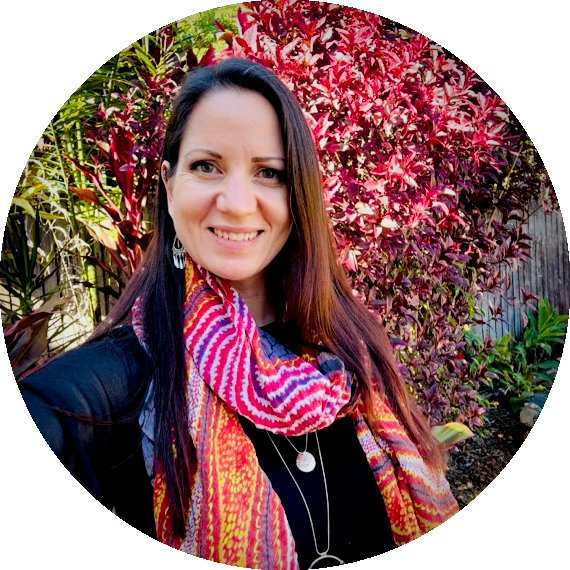
Mainie is a brand I proudly wear for so many reasons. I love that each scarf has a story and that I know with each piece funds go back to the woman that designed it. I adore the vibrancy of the colours and the high quality, I have had my scarves for many years now and they are so versatile from wearing them to do presentations or going out for lunch. I stand for empowering women and standing proud in your individuality and Mainie embodies this in every way.
Lesley Buckman
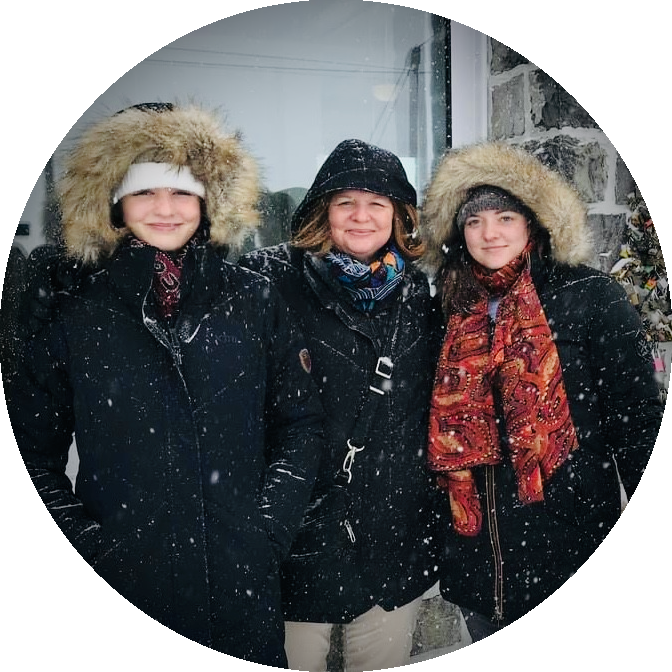
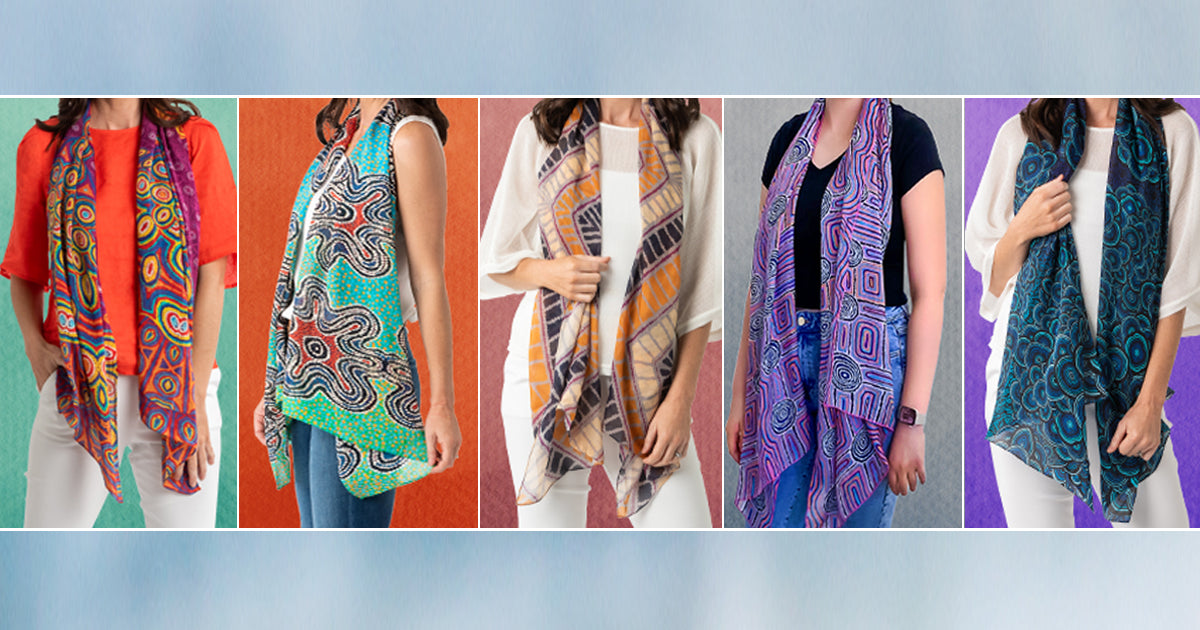
Our Mainie scarves have become an essential wardrobe component both at home and when travelling. They serve to elevate any outfit whilst also celebrating Australian First Nations culture with dignity and sophistication. The silk product is beautiful to wear and the merino wool is unbelievable soft and so warm. Lightweight, easy to pack and always commented on.
Tanya, Emily and Elizabeth
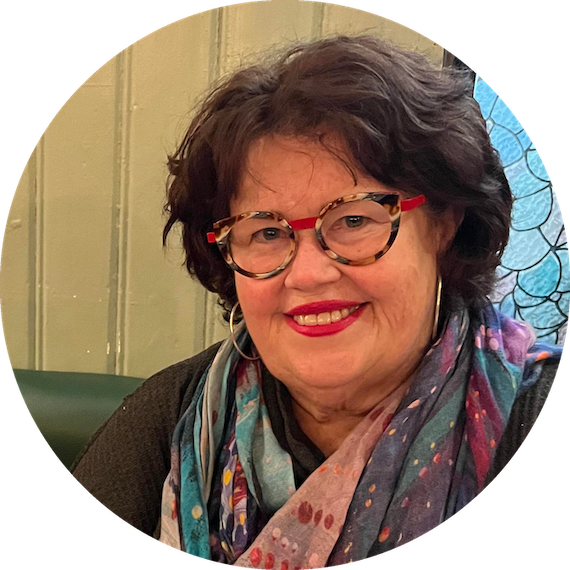
I love the Mainie Scarves, for myself and as the perfect gift. They are investment pieces that will be part of your wardrobe for life. I love travel and one or two scarves are always included in my luggage. They are perfect on the plane and for dressing up outfits. I take a Merino scarf for cooler climates and silk ones everywhere else. However, the very best part is the ethical basis of the brand. I know I support a woman artist from a First Nations community when I purchase something from Mainie. They look good and do good at the same time.
Jo Pyne
Mainie is a brand I proudly wear for so many reasons. I love that each scarf has a story and that I know with each piece funds go back to the woman that designed it. I adore the vibrancy of the colours and the high quality, I have had my scarves for many years now and they are so versatile from wearing them to do presentations or going out for lunch. I stand for empowering women and standing proud in your individuality and Mainie embodies this in every way.
Lesley Buckman
Our Mainie scarves have become an essential wardrobe component both at home and when travelling. They serve to elevate any outfit whilst also celebrating Australian First Nations culture with dignity and sophistication. The silk product is beautiful to wear and the merino wool is unbelievable soft and so warm. Lightweight, easy to pack and always commented on.
Tanya, Emily and Elizabeth
I love the Mainie Scarves, for myself and as the perfect gift. They are investment pieces that will be part of your wardrobe for life. I love travel and one or two scarves are always included in my luggage. They are perfect on the plane and for dressing up outfits. I take a Merino scarf for cooler climates and silk ones everywhere else. However, the very best part is the ethical basis of the brand. I know I support a woman artist from a First Nations community when I purchase something from Mainie. They look good and do good at the same time.
Jo Pyne
Founded by Gunggari Aboriginal woman Charmaine Saunders in 2012, Mainie is a Supply Nation certified Indigenous Australian-owned company and an Indigenous Art Code approved dealer member. We recognise the traditional custodians of the land on which we live and work, and we pay our respects to Elders past, present and emerging.

We acknowledge the sorrow of the Stolen Generations and the impacts of colonisation on Aboriginal and Torres Strait Islander peoples. We respect the resilience, strength and pride of Australia’s First Nations people and their communities. Mainie is committed to supporting Aboriginal women artists to earn an independent income from their own work and to keep alive their traditional cultural heritage for future generations.